Ask around any office, and you’ll find someone rubbing their lower back by 4 pm. Drivers who’ve been on the road since morning. A mother who’s spent the day bending over a stove and picking up kids. Someone at the gym who pushed a deadlift a little too hard. An elderly relative who just can’t get comfortable sitting anymore. Lower back pain shows up in a hundred different ways, and honestly, most of us don’t think about it until it’s already bothering us.
That’s usually when a lumbosacral belt enters the picture. It’s a simple support wrap that goes around your lower spine and pelvis, and it does something your back muscles can’t always manage on their own after hours of strain: it holds things steady. Doesn’t matter if you’re pushing through a long shift or getting back on your feet after an injury, this belt takes some of the pressure off.
This blog goes into what a lumbo sacral belt actually does, who it’s genuinely useful for, and how you’d go about picking one. If you want to skip ahead and browse options, take a look at our back support belts collection.
Table of Contents
ToggleWhat is a Lumbo Sacral Belt?
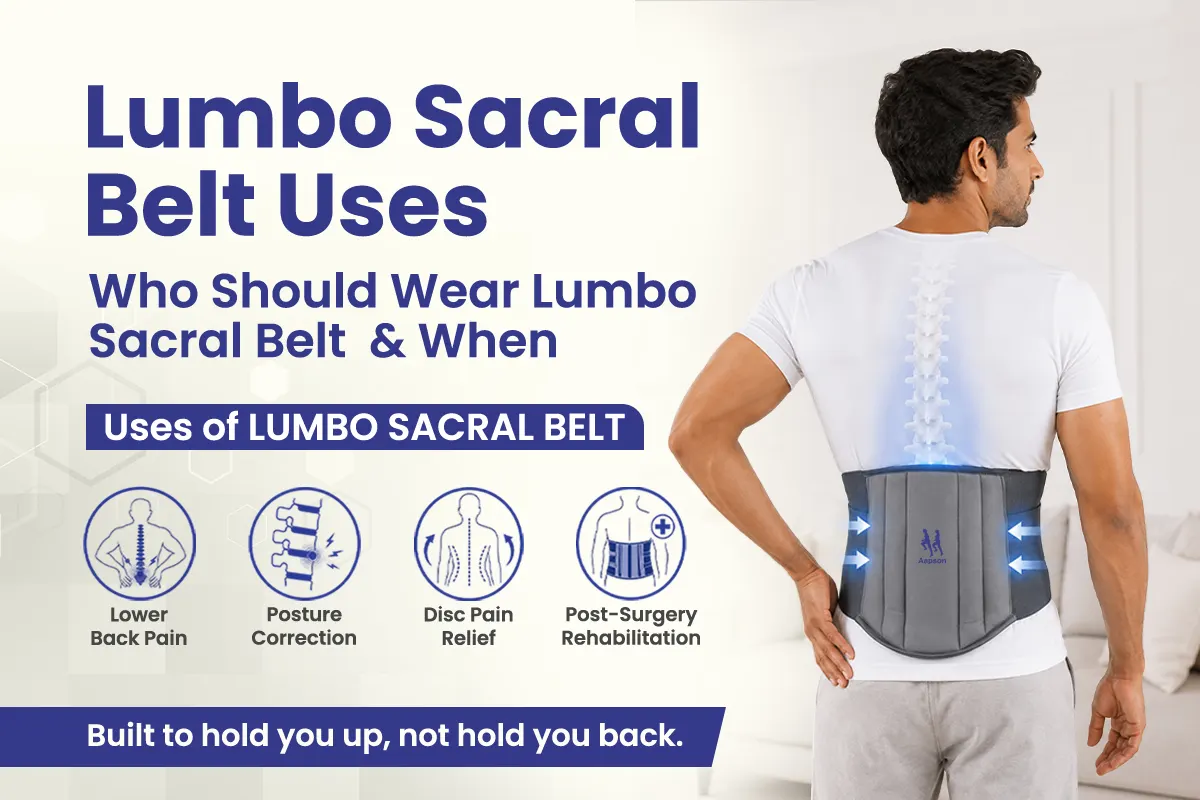
A lumbo sacral belt (people often just call it an LS belt) is built for supporting the lumbar spine and the sacrum below it. It’s not the same as a waist trainer or a stretchy gym belt. The design is more deliberate.
Here’s what it’s doing when you wear it:
- Compression: Even, steady pressure around your abdomen and lower back takes some load off the discs and muscles underneath.
- Stabilisation: It limits sudden or excessive movement in the lumbar region, which is often exactly what sets off a pain flare-up in the first place.
- Improved posture: With your lower back held in a more neutral position, you naturally stop slouching without even trying.
Some people start wearing one because a doctor told them to. Others pick it up on their own because their job or lifestyle puts constant strain on the lower back and they’d rather stay ahead of the problem. Have a look at our Lumbo Sacral Belt if you want to see the design up close.
How Does a Lumbo Sacral Belt Work?
None of this is complicated, really. A few things happen at once when you strap one on:
Compression on your abdomen and lower back raises intra-abdominal pressure a bit, which shifts some of the weight off your spine. Because the belt is helping stabilise you, your core and back muscles don’t have to work as hard through the day, so fatigue sets in slower. It also physically restricts the kind of sudden bending or twisting that tends to aggravate an already sore back. Your spine sits in better alignment, which cuts down on the uneven pressure that leads to stiffness. And the fabric itself retains a bit of warmth, which improves blood flow to the area and eases tightness over longer wear.
| Feature | Benefit |
| Compression | Reduces strain |
| Lumbar Support | Improves posture |
| Stabilization | Limits painful movement |
| Breathable Fabric | Comfortable daily wear |
Top Uses of a Lumbo Sacral Belt
Relief from Everyday Lower Back Pain
This is the reason most people buy one in the first place. Bad posture, sitting too long, and general muscle strain the belt helps by taking pressure off the area that’s hurting. If your back pain tends to flare up after long hours at the desk, wearing it consistently (along with some stretching and a bit more attention to how you sit) usually brings the discomfort down noticeably. For more persistent pain, our Premium LS Belt for Lower Back Support provides firmer support.
Safe Recovery from a Slipped Disc
A slipped or herniated disc needs to be handled carefully, and this is one situation where you really shouldn’t just wear a belt because you read about it online. Doctors do recommend LS belts for temporary support during recovery, but only after they’ve actually assessed you. Worn correctly, it keeps you from making movements that could put more pressure on the disc while it heals.
Reducing Sharp Sciatica Pain
If you’ve had sciatica, you know the pain doesn’t stay in your back; it runs down the leg. Bending or twisting tends to make it worse. Wearing the belt during activity takes pressure off the area near the sciatic nerve, so ordinary tasks (getting out of a chair, picking something off the floor) hurt less.
Extra Support for Ageing Back Joints
This is the wear-and-tear that comes with age, affecting the discs and joints in your spine. Walking or sitting for a while can get uncomfortable fast. The belt gives your lower spine the extra steadiness it needs to get through these everyday movements.
Fixing Bad Posture and Slouching
Not everyone reaching for an LS belt has an injury. Plenty of people use it purely to break the habit of slouching, especially:
- Office workers stuck at a desk all day
- Teachers who are on their feet for hours
- Drivers logging long stretches behind the wheel
Healing After Back Surgery
After spinal or abdominal surgery, some doctors will suggest a lumbosacral belt to support the area while you’re healing and moving around again. This one’s important: only wear it if your surgeon or physiotherapist has specifically told you to, since recovery needs are different for everyone.
Benefits of Wearing a Lumbo Sacral Belt
- Supports your lower back through everyday movement
- Cuts down muscle fatigue from long hours of sitting or standing
- Nudges you toward better posture without you having to think about it
- Makes walking feel steadier if you’re dealing with instability
- Comfortable enough to wear daily, thanks to breathable fabric
- Helps stabilise your spine while lifting
- Supports recovery after an injury or surgery
Who Should Wear a Lumbo Sacral Belt?
| User | Recommended? |
| Office Workers | ✔ |
| Drivers | ✔ |
| Warehouse Workers | ✔ |
| Elderly | ✔ |
| Gym Users | ✔ |
| Post Pregnancy (Doctor Advice) | ✔ |
| Post Surgery | ✔ |
Different Types of Lumbo Sacral Belts
Not every lumbo sacral belt is built the same way, and which one you need really comes down to your condition and how much support you’re after. Here’s what’s available:
-
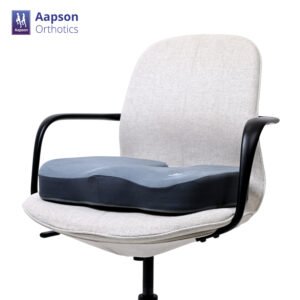
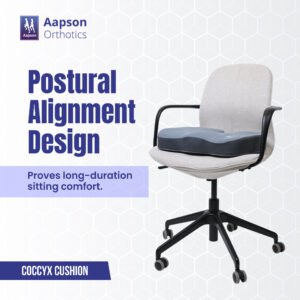
Coccyx Cushion
₹1,9900 out of 5View Product This product has multiple variants. The options may be chosen on the product page -
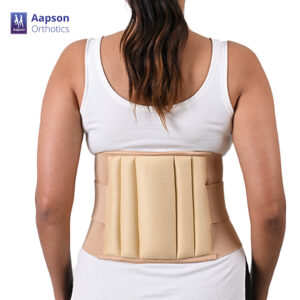
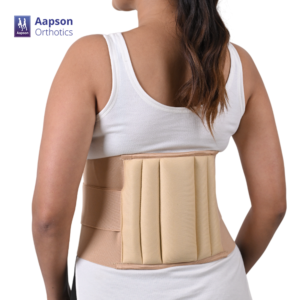
L S Belt Eco Frame
₹8405.00 out of 5View Product This product has multiple variants. The options may be chosen on the product page -
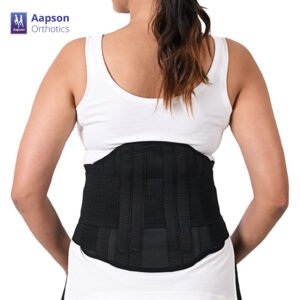
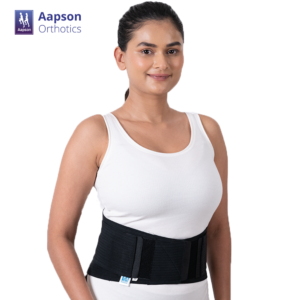
C-Fit L.S. Belt Airprane
₹1,1505.00 out of 5View Product This product has multiple variants. The options may be chosen on the product page -
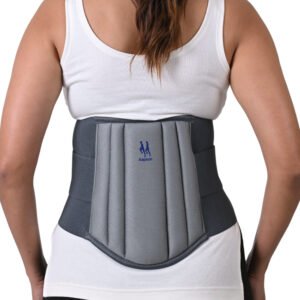
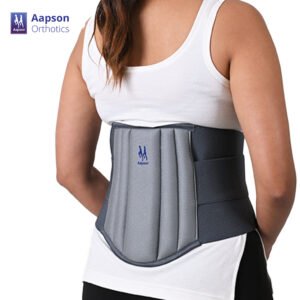
Lumbo Sacral Belt | Lumbosacral Support Belt | Lower Back Support Belt
₹8405.00 out of 5View Product This product has multiple variants. The options may be chosen on the product page -
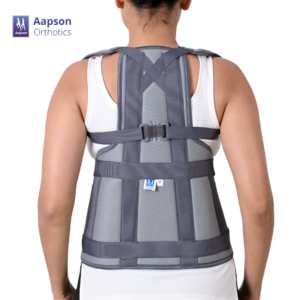
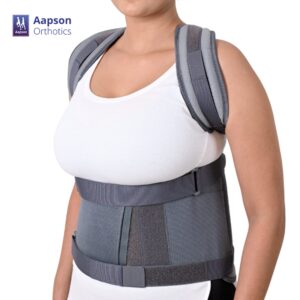
Taylor’s Brace
₹2,4004.50 out of 5View Product This product has multiple variants. The options may be chosen on the product page -
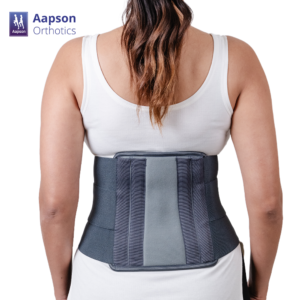
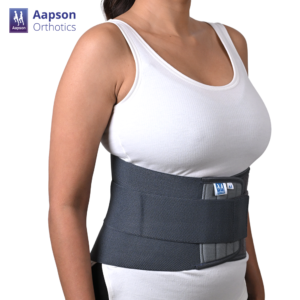
L S Belt Contoured (Delux – Grey)
₹1,0505.00 out of 5View Product This product has multiple variants. The options may be chosen on the product page
When Should You Wear a Lumbo Sacral Belt?
Timing matters here almost as much as the belt itself. It’s worth wearing:
- At work, especially if you’re sitting or standing for hours without a break
- While travelling, since long car rides or flights strain the lower back more than people realise
- While lifting, whether that’s at the gym or moving something heavy at home
- During recovery, if your doctor’s told you to
- While walking, if you feel any instability
- During long stretches of sitting, like desk jobs or driving
One thing worth repeating: don’t wear it all day, every day, unless a doctor has specifically told you to. Leaning on it too much can actually weaken your core over time. Think of it as support when you need it, not something you live in.
How to Choose the Right Lumbo Sacral Belt
A few things actually matter here, and it’s not just picking whatever shows up first in search results.
Get the size right first: Too loose, and it won’t support anything; too tight, and it’ll restrict your breathing and movement, which defeats the purpose. Match the compression to what you actually need: stronger support for acute pain, something more moderate if you’re mainly correcting posture. Pay attention to the material too. You want something breathable that won’t irritate your skin if you’re wearing it for hours. If you live somewhere warm, breathability matters even more: Think about whether you need it discreet enough to wear under clothes for daily use, or something heavier-duty for physical work. And if you’re recovering from an injury or surgery, always run it by your doctor first rather than guessing.
Related Back Support Products You May Need
A lumbosacral belt often works better as part of a bigger support routine, depending on what you’re dealing with. A few products worth looking at alongside it:
-
Coccyx Cushion
₹1,9900 out of 5View Product This product has multiple variants. The options may be chosen on the product page -
L S Belt Eco Frame
₹8405.00 out of 5View Product This product has multiple variants. The options may be chosen on the product page -
C-Fit L.S. Belt Airprane
₹1,1505.00 out of 5View Product This product has multiple variants. The options may be chosen on the product page -
Lumbo Sacral Belt | Lumbosacral Support Belt | Lower Back Support Belt
₹8405.00 out of 5View Product This product has multiple variants. The options may be chosen on the product page -
Taylor’s Brace
₹2,4004.50 out of 5View Product This product has multiple variants. The options may be chosen on the product page -
L S Belt Contoured (Delux – Grey)
₹1,0505.00 out of 5View Product This product has multiple variants. The options may be chosen on the product page
Frequently Asked Questions
Not really a good idea. Wearing it non-stop, day after day, can weaken your core muscles over time. Use it when you actually need the support and give your back a break in between, unless a doctor's told you otherwise.
Yes, it takes some pressure off the area near the sciatic nerve while you move, which helps during flare-ups. It won't fix the underlying issue, but it makes day-to-day movement a lot more bearable.
Definitely. A lot of elderly users wear one just for the extra stability while walking or sitting, especially if they're dealing with something like lumbar spondylosis.
Most belts have a removable cover you can wash, or you can spot-clean them. Worth checking the care label on the specific one you buy since materials aren't identical across models.
Light to moderate movement, sure. For anything more intense, check with a physiotherapist first rather than assuming it's fine.
No, and anyone telling you otherwise isn't being honest. It manages pain and gives you support, but real long-term relief usually comes from a mix of the belt, better posture habits, physiotherapy, and lifestyle changes.
Snug, but not choking. You should be able to slide a couple of fingers under it comfortably. If it's cutting off circulation or making it hard to breathe, it's too tight.
There's really no need to. Lying down doesn't put the same strain on your back as sitting or standing does, so take it off at night unless your doctor says otherwise.
Still confused between a Lumbo Sacral Belt and a Lumbo Sacral Corset? Read our detailed comparison guide to understand which option offers the right level of support for your condition.
Conclusion
A lumbosacral belt won’t magically fix your back, but it does exactly what it’s meant to: give you real support, stability, and a bit more comfort while you go about your day. Office workers, drivers, elderly folks, gym regulars, people recovering from surgery- all of them get something different out of wearing one. What matters is picking the belt that actually fits your situation and using it the way it’s meant to be used, as support alongside good posture and a stronger core, not a replacement for either.
Ready to find the right one? Explore back support belts for men and women and take the first step toward a back that doesn’t remind you it’s there every hour.