Compression stockings are elastic garments that squeeze your legs. These are tightest at the ankle, looser as they move up, so blood moves back toward your heart instead of pooling in your calves and feet. Owning a pair isn’t the same as getting the benefit from them: wear them at the wrong time, or skip them on the days you need them most, and you lose most of the effect.
People who benefit most fall into a few clear groups: anyone on their feet for long shifts, frequent travellers, pregnant women, people recovering from surgery, and anyone managing varicose veins or daily leg swelling. Here, Aapson’s Compression Stockings work best for you depending on your condition and how you spend your day: a nurse on a 10-hour shift and someone six weeks post-surgery need different support.
Table of Contents
ToggleWhat Are Compression Stockings?
A compression stocking works through graduated pressure, tightest at the ankle, gradually loosening up the leg, pushing blood upward against gravity instead of letting it settle. This takes pressure off the one-way valves in your veins, and they improve blood circulation.
There are 2 classes in this –
- Class I runs 15–20 mmHg: mild, comfortable for daily wear and travel.
- Class II runs 20–30 mmHg: firmer, therapeutic for varicose veins, post-surgical swelling.
Compression is measured in mmHg, and here both levels improve circulation and pull fluid out of tissue, bringing down swelling by evening
Compression Stockings also come in different lengths : - Knee-high
- Thigh-high
- calf sleeves
These come in different lengths because swelling and vein problems don’t sit in the same place on every leg.
When Should You Wear Compression Stockings?
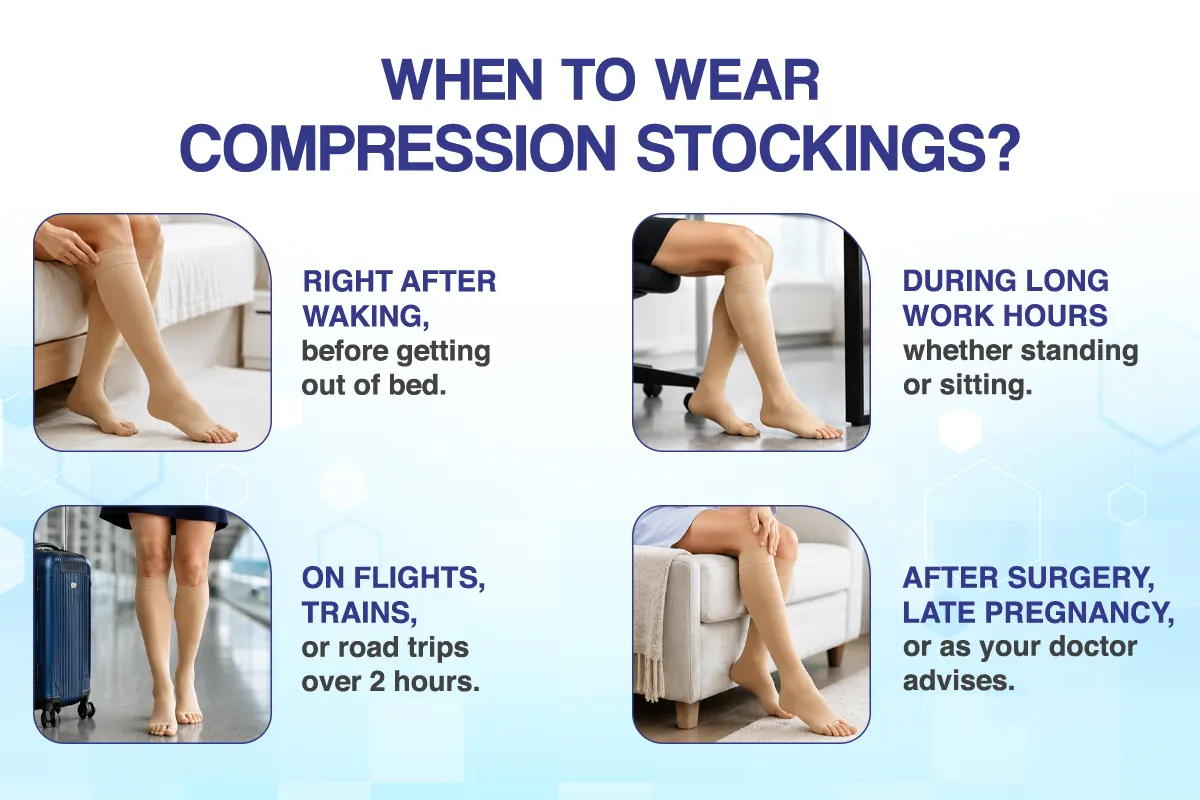
It is recommended to wear compression stockings whenever your legs are working harder than usual.
During Long Hours of Standing
If your job keeps you upright most of the day- be it teaching, nursing, a factory floor, or a retail counter. In these situations, gravity pulls blood down into your lower legs, and without movement, your body struggles to pump it back up. Compression stockings do part of that job for you; people who wear them through a full shift typically notice less end-of-day heaviness and leg fatigue than on days they skip them.
During Long Travel
Sitting still for hours: on a flight, a long-distance bus, or a road trip, this is not at all good for your calf muscles. Your calf muscles normally squeeze blood upward with every step; sit still for four or five hours, and that pump stops, so fluid settles until your ankles feel tight and puffy. Compression stockings keep that pressure working while you’re still, which is why long-haul flights are one of the most common reasons people reach for a pair.
If You Have Varicose Veins
Varicose veins happen when the valves inside a vein weaken and let blood pool instead of moving up, causing the aching, evening heaviness, and visible swelling around the ankle. Compression won’t make an existing varicose vein disappear, but the added pressure helps blood move past the weak valve, so pain and swelling often ease within a few weeks of consistent wear. If this is your main reason for buying, see our Compression Stockings for Varicose Veins.
During Pregnancy
A growing uterus presses on the large vein carrying blood back from your legs, and pregnancy hormones relax vein walls at the same time, a combination that slows circulation and leaves many women with swollen ankles and feet by the third trimester. Compression stockings counter that extra pressure directly, which is why doctors often suggest wearing a pair once swelling starts.
After Surgery
After most surgeries, especially on the hip, knee, or abdomen, you move around far less than usual for days or weeks. Less movement means a slower calf muscle pump, exactly the condition that lets blood clots form in the deep veins of the leg. Hospitals routinely put patients in compression stockings before they’re even out of bed, since keeping blood moving mechanically lowers that risk during recovery.
During Exercise and Recovery
Compression worn during or after a workout keeps blood and the waste products your muscles produce that is moving out of the leg faster. Many runners and gym-goers wear it post-workout for exactly this: less pooling in the calves tends to mean less next-day soreness and a quicker return to training. It won’t replace rest, but it makes recovery more comfortable.
If You Experience Leg Swelling
Swelling is medically called oedema. This happens when fluid leaks from small blood vessels and builds up in tissue faster than your body drains it away. It’s common after a long day on your feet, but can also signal heart, kidney, or vein problems, so swelling that doesn’t go down overnight is worth mentioning to a doctor. Compression stockings help push that trapped fluid back into circulation.
When Should You NOT Wear Compression Stockings?
Compression isn’t automatically safe just because it helps most people.
| Condition | Risk of Compression |
| Severe peripheral arterial disease | Squeezes already-struggling arteries and further cuts blood supply to the foot. |
| Active skin infections (e.g., cellulitis) | Tight fabric can worsen the infected area. |
| Open wounds or leg ulcers | Tight fabric against broken skin can make the injury worse. |
None of this is for self-diagnosis: if you have circulation problems, diabetes, or a skin condition on your legs, check with a doctor first.
What Is the Best Time of Day to Wear Compression Stockings?
Morning, ideally right after you wake up or overnight, while you’ve been lying flat, gravity hasn’t pulled fluid down into your legs yet, meaning your calves and ankles are least swollen, and now it’s easier to pull the stocking on, and the compression starts working from the day’s start instead of wearing it later.
Take them off before bed unless a doctor says otherwise. Lying down removes the gravity problem the stockings solve, so sleeping in them usually adds nothing.
How Long Should You Wear Compression Stockings?
Most people wear them through waking hours and take them off at night or in the morning, off before bed. For travel, keep them on for the whole trip, since risk builds the longer you sit still. If a doctor has prescribed compression for a medical reason, follow their instructions over any general rule here.
How to Choose the Right Compression Stockings
Four things decide whether a stocking helps: how much pressure it applies, how far up your leg it reaches, whether it’s sized to your leg instead of a generic guess, and what it’s made of. Get one wrong, and it does too little or feels unbearable to wear for long.
Knee High Compression Stockings
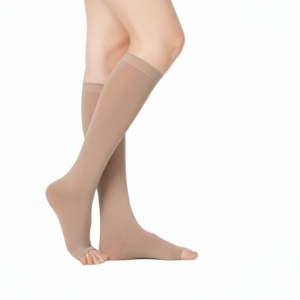
Knee-high suits most people for mild swelling, everyday wear, travel days, and varicose veins below the knee; all respond well to a stocking that stops just under the joint, and it’s easiest to get on yourself. The APSOPRESS® Knee High Compression Stockings come in Class I (15–20 mmHg) for daily wear and Class II (20–30 mmHg) for firmer support.
Cotton Knee High Compression Stockings
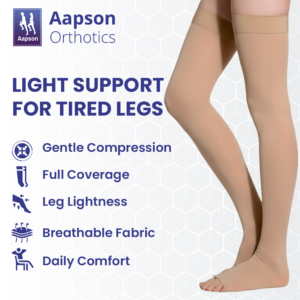
If you’re wearing stockings for eight, ten, or twelve hours a day, fabric matters as much as compression level. The APSOPRESS C Knee High Compression Stockings use a 25% cotton blend at 20–30 mmHg, which breathes better than fully synthetic fabric and holds up to a long shift without feeling clammy.
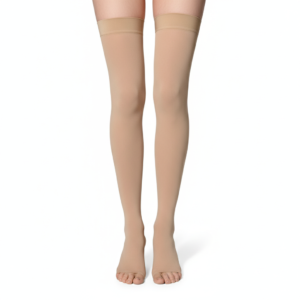
Thigh High Compression Stockings
When swelling or varicose veins extend above the knee, a knee-high stocking stops short of the problem. Thigh-high stockings cover the full leg, which is why they’re used most often after surgery, when swelling and clot risk aren’t limited to the lower leg. The APSOPRESS® Thigh High Compression Stockings come in the same Class I and Class II ranges as the knee-high version.
Cotton Thigh High Compression Stockings
For sensitive skin that reacts to synthetic fabric over a full leg, the APSOPRESS C Thigh High Compression Stockings offer the same cotton-blend comfort as the knee-high version, extended to the thigh; it gives firm, all-day compression without standard hosiery against your skin for that long.
Calf and Knee Support
For sports or joint support, the Calf Knee Thigh Support works more like a compression sleeve than a stocking. It runs from thigh to calf, adding mild compression at the calf along with structure for the knee during activity: for general support, not the fine graduated pressure a therapeutic stocking is built for.
Different Types of Compression Stockings
Length and cotton content are only part of the picture. Compression stockings also differ by weave, closed-toe versus open-toe design, and whether they’re built for daily wear or medical-grade therapy. For the fuller breakdown before you buy, see our Different Types of Compression Stockings Explained.
Common Mistakes to Avoid
- Wrong size: Too small cuts off circulation; too large applies no real pressure. Measure against the size chart instead of guessing.
- Rolling or folding the top band down: This turns a graduated stocking into a tight band at one spot, restricting flow right where you don’t want it.
- Wearing a damaged pair: A run or stretched band means the pressure is no longer even.
- Sleeping in them without medical advice: Lying down removes the reason you needed the pressure.
- Keeping an old pair too long: Elastic loses its stretch with regular wear; replacement every three to six months, even if it still looks fine.
Conclusion
Compression stockings work when three things line up: you wear them at the right time mornings, work shifts, travel days, or whatever your doctor recommends. You’re using the right compression level for your condition, and the length covers where the problem actually is. Get those three right and most people notice less heaviness within days, not months.
If you’re ready to find your size and level, Browse Aapson Compression Stockings.
Frequently Asked Questions
Yes for most people, daily wear is the whole point, since consistent use keeps swelling and heaviness from building back up. Take them off at night and check your skin for irritation now and then.
Generally no. Compression works against gravity while you're upright, so lying down removes that problem, unless a doctor has prescribed it for something like lymphedema.
Yes. Many wear a lighter compression level during workouts and switch pairs afterwards for recovery, ideally in a moisture-wicking fabric rather than standard hosiery weave.
Snug all the way up, firm but not painful. Toes changing colour, numbness, tingling, or a deep groove where the band sits all mean it's the wrong size up or down instead of pushing through it.
Not entirely; genetics and vein wall weakness play the biggest role in whether you develop them. What compression can do is ease symptoms in veins you already have, and for people at higher risk, possibly slow how fast new ones form.
Top Picks for you
-
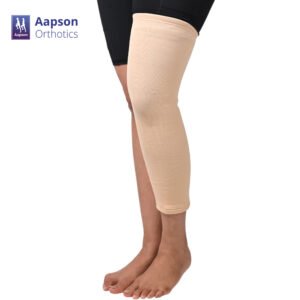
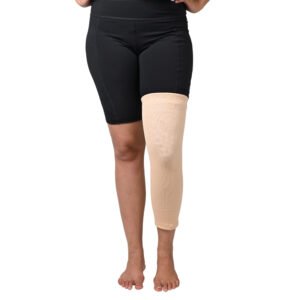
Calf Knee Thigh Support (CKT)
₹7505.00 out of 5View Product This product has multiple variants. The options may be chosen on the product page -
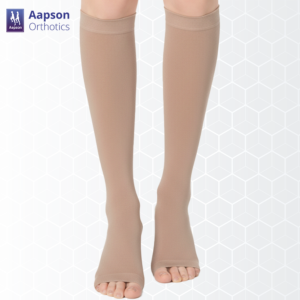
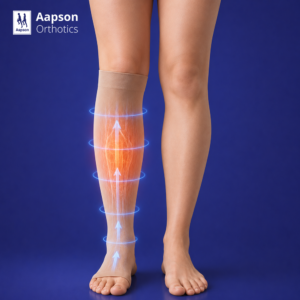
APSOPRESS ® Knee High Compression Stockings – Class 1 & Class 2
₹1,960 – ₹2,270Price range: ₹1,960 through ₹2,2704.67 out of 5View Product This product has multiple variants. The options may be chosen on the product page -
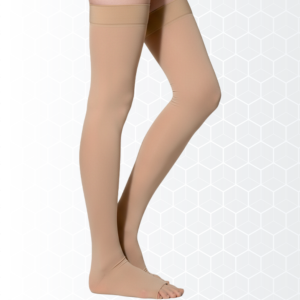
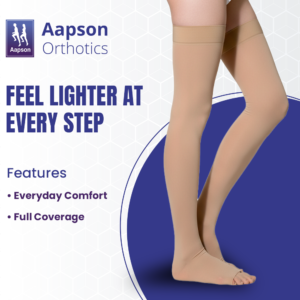
APSOPRESS ® Thigh High Compression Stockings – Class 1 & Class 2
₹2,390 – ₹2,820Price range: ₹2,390 through ₹2,8200 out of 5View Product This product has multiple variants. The options may be chosen on the product page -
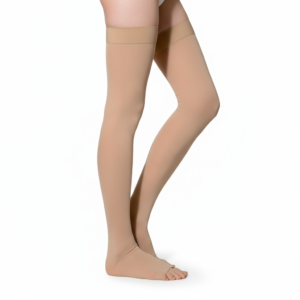
APSOPRESS C Thigh High Compression Stockings – 20 to 30 mmHg, 25% Cotton
₹3,1900 out of 5View Product This product has multiple variants. The options may be chosen on the product page -
APSOPRESS C Knee High Compression Stockings – 20 to 30 mmHg, 25% Cotton
₹2,6604.67 out of 5View Product This product has multiple variants. The options may be chosen on the product page